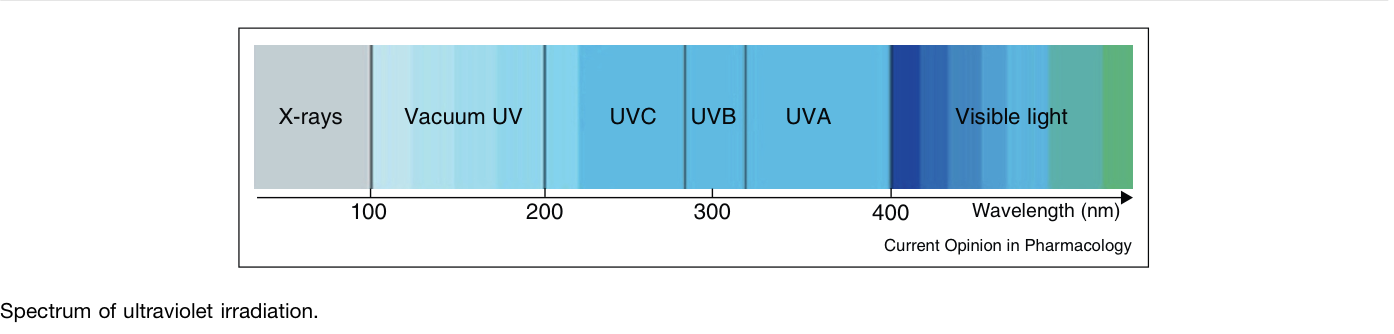
Germicidal Ultraviolet Radiation Spectrum for SARS-CoV-2
อ พญ ไอณภัค บุญทวียุวัฒน์ / ศ นพ ประวิตร อัศวานนท์
Inhibiting coronavirus in the air and on surfaces using UVC light.
The coronavirus consists of single-stranded RNA enclosed in a lipid bilayer envelope. Its persistence on surfaces and in the air depends on humidity, temperature, and surface type. Contact with virus-contaminated air or surfaces is the primary route of transmission from patients.
Germicidal disinfection using UVC light (wavelength range 200–290 nm) is an effective and rapid option for eliminating viral contamination. At 260 nm — the wavelength most efficiently absorbed by DNA — viral genetic material is damaged in a way that prevents replication and renders the pathogen unable to infect, grow or cause disease.
UVC light at peak wavelength 260 nm can inhibit coronavirus on surfaces by up to 99% using a dose of just 1–3 mJ/cm². For airborne virus, coronaviruses are highly susceptible, with survival rates falling to just 12% at lower doses than required for other virus types.
Effects of UVC on humans
Skin: Human skin DNA also absorbs UVC. Skin reactions may appear as erythema (redness), and DNA changes may precede visible redness — potentially leading to skin cancer with repeated exposure.
Eyes: UVC can cause corneal and conjunctival inflammation, irritation, and burning sensation following short exposure.
Protect skin and eyes with dense-weave clothing and UV-protective glasses, or avoid direct UVC exposure by scheduling use during unoccupied periods.